
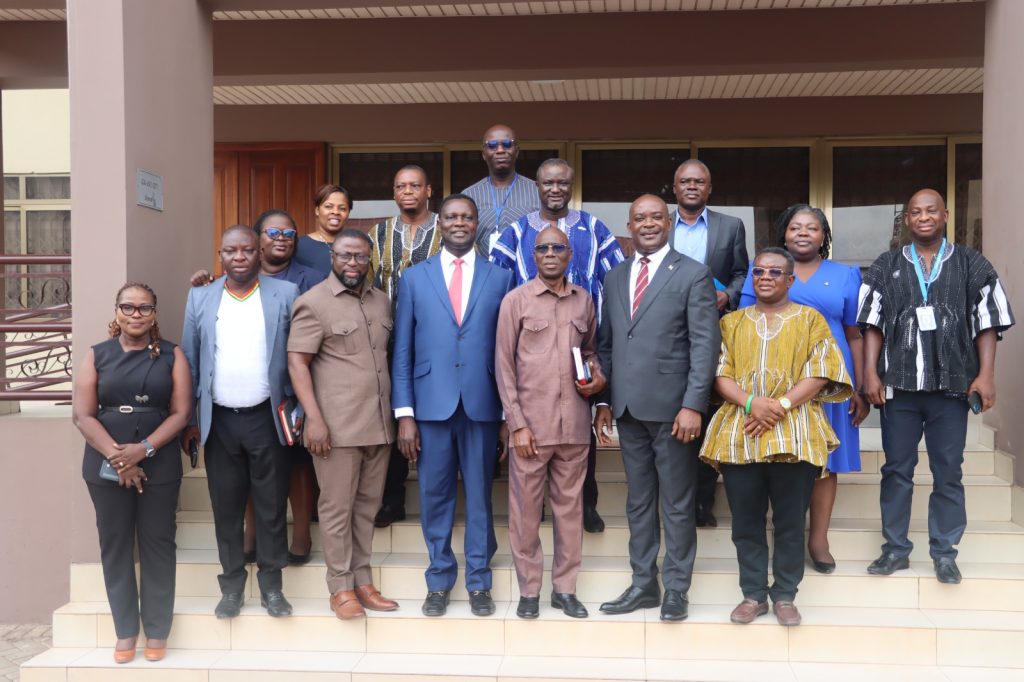
The Parliamentary Select Committee on Education has commended the Ghana Tertiary Education Commission (GTEC) for the bold reforms and regulatory interventions it is implementing to strengthen quality assurance, academic integrity, digital transformation, and graduate employability within Ghana’s tertiary education sector.
The commendation was made during a working visit by the Committee to the Commission on Wednesday, June 24, 2026, as part of Parliament’s oversight responsibilities and efforts to engage agencies under the Ministry of Education on their operations, achievements, challenges, and strategic priorities.
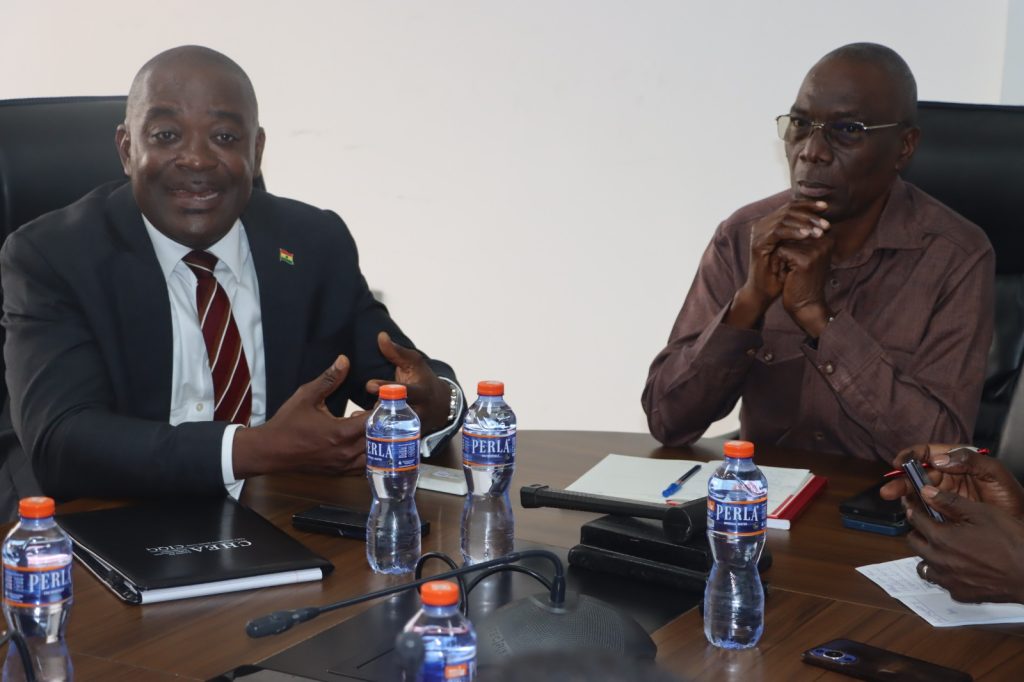
Welcoming members of the Committee, the Director-General of GTEC, Prof. Ahmed Jinapor-Abdulai, described the visit as a valuable opportunity to deepen collaboration between Parliament and the Commission in advancing a world-class tertiary education system that supports national development.
The Chairman of the Committee and Member of Parliament for Akatsi North Constituency, Hon. Peter Nortsu-Kotoe, explained that the visit forms part of the Committee’s monitoring engagements with agencies under the Ministry of Education to gain first-hand understanding of their operations and gather insights that would inform policy decisions and legislative interventions aimed at improving education outcomes.
During a comprehensive presentation on the state of tertiary education, the Director of Corporate Affairs, Mr. Jerry Sarfo, on behalf of the Director-General, highlighted major achievements recorded by the Commission in the past year. He indicated that GTEC currently regulates 321 accredited institutions and 3,507 accredited programmes nationwide.
The Committee was also briefed on the Commission’s ongoing efforts to protect academic integrity through a nationwide campaign against the misuse of honorary academic titles, enhanced credential verification processes, public advisories on unrecognised institutions, and enforcement actions against institutions operating without accreditation.
A significant portion of the discussions focused on GTEC’s ambitious digital transformation agenda, which seeks to build a fully digitised tertiary education system. The Committee was further informed about strategic reforms aimed at aligning tertiary education with labour market demands which include the establishment of the National Advisory Group (NAG) to strengthen industry-academia collaboration, promote digital and green economy skills, and enhance graduate employability. The progress on Open and Distance Learning (ODL), including the completion and approval of the national ODL Policy and ongoing efforts towards the establishment of the Ghana Open University were also highlighted. The Ranking Member of the Committee and Member of Parliament for Bosomtwe Constituency, Hon. Dr. Yaw Osei Adutwum, lauded GTEC’s reform agenda and the leadership of Prof. Ahmed Jinapor-Abdulai. He emphasised the need for tertiary education programmes to remain relevant to national development priorities and urged the Commission to prioritise accreditation of programmes that support innovation, entrepreneurship, job creation, and industrial transformation.
Members of the Committee also engaged the Commission on challenges confronting the sector, including increasing regulatory demands, inadequate funding, digital infrastructure needs, the proliferation of fraudulent institutions, and the need for approval of GTEC’s Conditions of Service.
The Commission appealed for Parliamentary support in addressing these challenges, strengthening Act 1023, supporting investments in digital transformation, and facilitating the establishment of the Ghana Open University.
In his closing remarks, Prof. Ahmed Jinapor-Abdulai expressed appreciation to the Committee for its continued interest in the development of tertiary education and reaffirmed GTEC’s commitment to building a globally competitive, inclusive, innovative, and future-ready tertiary education system.
The visit concluded with a shared commitment to strengthening collaboration between Parliament and GTEC in pursuit of excellence, relevance, and international competitiveness in Ghana’s tertiary education sector.